

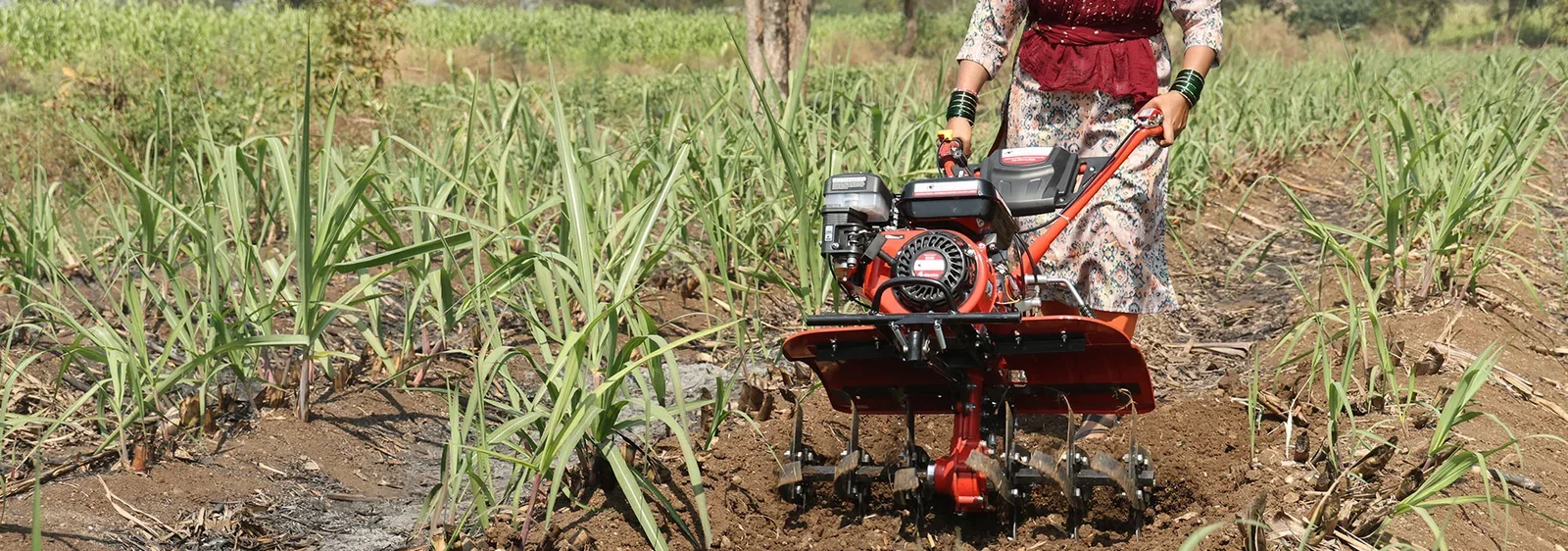
Installing, Operating and Maintaining Your Water Pump With Ease
Water pumps are like good friends. They give a firm push that makes it possible to reach new heights and destinations. Reliable water pumps are an essential part of industries like agriculture, construction, oil and gas, shipping and HVAC to name a few. Wherever you need to move, pressurize or remove fluids, water pumps are a necessity.
Types of Water Pumps
Centrifugal Pumps
These pumps have simpler designs and high flow rates. They cannot handle highly viscous (thick) liquids well and are prone to underperformance if air enters.
Centrifugal pumps are used in agriculture and irrigation, municipal water supply, flood control and drainage and dewatering construction sites.
Positive Displacement Pumps
These pumps have lower flow capacity than centrifugal pumps but have a constant flow and can handle highly viscous fluids at high pressure.
Positive displacement pumps are used in crude oil transfer, water treatment plants and fuel injection systems.
Submersible Pumps
Diaphragm Pumps
Compressed air or electric motors are used to move the diaphragm back and forth. This first creates suction through which the fluid enters the chamber through a one-way inlet check valve. Then when the diaphragm moves the other way, the fluid is pressurized and pushed through the one-way outlet check valve.
The liquid is only in contact with the diaphragm and valves and since these are made of corrosion resistant materials, diaphragm pumps can handle viscous, corrosive and abrasive fluids safely. They are used in the food industry for pumping fluids like sauces, syrups and dairy products as well as handling abrasive materials in wastewater treatment and mining.
Petrol Powered Water Pumps
They are quieter than diesel powered pumps but are less fuel efficient and have shorter lifespans.
Diesel Powered Water Pumps
Diesel powered water pumps have high flow and pressure and are built for heavy duty applications like agriculture on large farms, industrial pumping and helping in flood control. They are highly fuel efficient and have greater durability and lifespans.
They are louder than petrol powered pumps and are heavier and less portable.
Solar Powered Water Pumps
Solar powered water pumps generate electricity with the help of solar panels, which powers the pump. They are ideal for remote locations where grid power is not guaranteed and provide an alternative to using fuels like petrol and diesel.
They have high initial installation costs but are eco-friendly, low maintenance, reliable and have long lifespans.
Water Pump Installation
Installing a water pump requires careful consideration and thought. The steps involved are:
- Selecting a Site: For surface pumps choose a stable, flat surface and for submersible pumps make sure they are installed at the right depth.
- Foundation and Mounting: Install the pump on a solid base like concrete. Bolts and anti-vibration pads/mounts can help in reducing the noise and vibration made by these pumps.
- Connecting the pipes: Inlet pipes should be short and straight. Try not to have sharp bends as that can cause air pockets to form and disrupt the pump. A strainer or foot valve to prevent debris from entering is also required.
The outlet pipe should be of proper size and connected to the end destination like a tank or irrigation system. - Priming: Priming is the process of removing the air from a pump by filling the suction pipe (inlet) and pump casing with the liquid to be pumped. This removes the air and gases that are in the pipes and can cause issues later on.
- Check your source of power: For electric pumps ensure the wiring and earthing is done correctly and the circuit breakers are functional. For petrol and diesel pumps fill the engine oil, engine fuel and check the air filter.
- Initial Test Run: Start the pump and check if the flow of water is normal. Keep monitoring for any untoward pressure, noise and vibrations. Check for any leaks at the pipe joints.
- Safety Checks: Make sure the pump is not running dry, which can cause major damage to the motor. To prevent backflow, you can consider installing a non-return valve. Install pressure gauges and protection switches for larger pumps.
Water pump maintenance
You can keep your pump in good shape by taking proper care.
- Regular Inspection: Check for any leaks at the pipes and joints and keep an ear out for unusual noises and vibrations.
- Cleaning: Keep suction filters clean to prevent clogging. Remove any mud or debris that may gather near the inlet.
- Lubrication: For petrol and diesel pumps, check and change the engine oil regularly.
- Priming: Always keep the pump primed (filled with water) before you begin.
- Storage: If you are not using the pump for extended periods, then drain water from the pump to prevent rust. Store in a dry, shaded location and run the pump every now and then to keep the parts free.
Water pumps are highly useful machines that enable us to move water with ease. Water is life and the ability to transport water to where it is needed is nothing short of a superpower.
Post a comment