

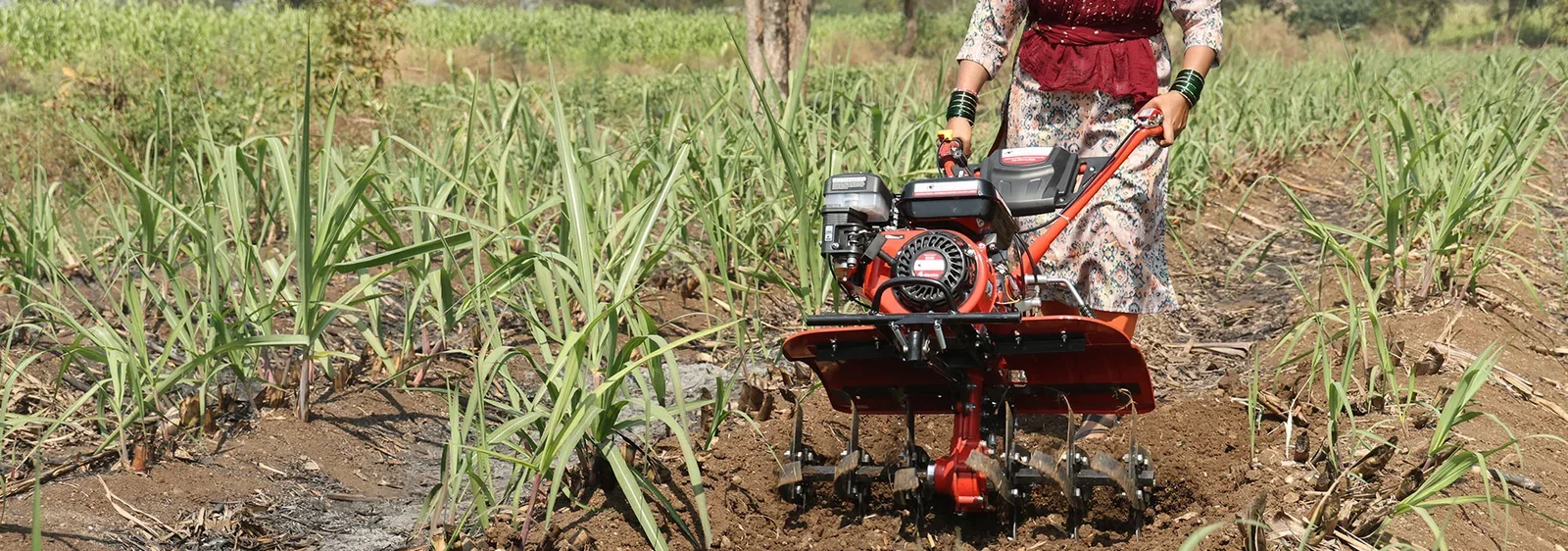
Power Reapers: Powering Efficient Harvesting & Skyrocketing Productivity

Power Reapers: Powering Efficient Harvesting & Skyrocketing Productivity

The crisp, early morning air hits Ramesh in the face as he strides across the ground towards the shed. The air stings but he is now very much awake. It is still dark but on harvest days it’s good to start early. Opening the shed, Ramesh’s eyes fall on his power reaper. It gleams under the torchlight betraying just a hint of the power it possesses.
“Self Propelled Power Reaper sir”, the salesman had beamed. “It will change your world, swear on my life”.

“What about maintenance?” Ramesh had asked. “Very easy to maintain. Check the engine oil and fuel levels, ensure you clean the air filter, make sure the cutter blades are sharp and clean the power reaper after use. Follow these tips and you’ll be golden” the salesman had assured him.

Ramesh had been on the ropes about buying the katai machine but decided to go ahead. And change his world it had. He now often wondered why he had taken so long to get himself a crop reaper.

After a quick cup of tea, he wraps his shawl around his broad shoulders, steadies his turban on his head and sets out to the fields along with his power reaper machine.

The sight of his fields full of wheat, waving gently in the early morning breeze, brings a smile to Ramesh’s face. The scene before him takes his mind back to when he was younger. Back then their entire family had been involved in farming and so everyone would get up early and get ready to go to the fields, sickles in hand. As time went on however, members of the family migrated to large cities and farming became an afterthought for them as they looked for jobs in the cities.

Even a few years ago, he remembered going along with his father to the village square in the early hours, waiting for the helpers who would aid them in harvesting the crops. They would ask for 15-20 people the day before and normally around 10-15 would bother turning up. They would meet under the peepal tree and his father would hand out sickles to all the helpers. When their drowsy band of men was ready, they would make their way to the fields to start a hard day of work ahead.
These days there always seemed to be a shortage of labour. Younger generations seemed unwilling to engage in farming and had their intentions set on education and getting jobs in the city. The intensive labour involved in traditional farming was unappealing to them.

Today it is just him, his nephew and his self propelled reaper. Where once they required an entire group of people, today his reaper stands in for them all perfectly.

Ramesh begins his work as soon as there is enough daylight to see the ground clearly. He checks that his power reaper is sufficiently fueled, oiled and that the blades are up to today’s task of cutting down all this wheat. The reaper glides through the fields of wheat smoothly cutting the crops at ground level and laying them to the side in neat windrows. After two hours of work, his one acre field only has neat windrows of wheat adorning it.

Two hours in with his band of helpers in the past, they wouldn’t even have been half way done. The men would work their way slowly through the large fields, gathering the cut wheat in small bundles. Sometimes they would waste grain with their sickle cuts and sometimes the stalks would be left too high. As the sun rose higher in the sky they would slow down, sweating profusely and grumbling amongst themselves.

At that point his job was to make sure they stayed on the task and kept up the pace. His voice would be hoarse shouting instructions and his brain would be worried sick wondering if they would finish on time.
Around mid-day the sun would be roasting hot and it was near impossible to continue working. “Sahab, abhi dopahar tak na hoga kaam, bas aaram” (“We can’t work now till the afternoon, we can only relax”), they would tell him. So they’d eat rotis, drink lassi and have naps under the shade of the nearby trees.

Now, however with the windrows of wheat spread neatly across the field, all that is left to do is to collect it. Ramesh has a leisurely lunch with his nephew and calls to arrange for a tractor trolley to arrive in the evening so that they can transport the wheat. His nephew, in the meantime, works to collect the windrows and put them into tidy bundles that will be stacked.
In years gone by, after lunch when the sun wasn’t beating down so hard, work would resume once more. The helpers would continue working their way through the rest of the field. Ramesh would be optimistic they would finish with the field by sundown. It never came to pass though and his helpers would be ready to go back home. After paying them all their daily wages, Ramesh would often look at the crops still to be cut and sigh.
Today well before sundown, the entire field is harvested. The golden bundles of wheat are stacked neatly in the field ready to be threshed and transported. The amount of time and mental strain Ramesh has been spared is a gift in itself. The fact however, is that he has saved a ton of money as well that would have been spent paying for labour, in years gone by.
Years ago, when he used to reach home, he would have a quick dinner, his thoughts preoccupied by all the things to be done tomorrow and the worries swirling in his head. Now when Ramesh reaches home, he places the reaper in the shed and pats it lovingly like a pet. He feels at peace with a good day of work under his belt. He appreciates the moment and spends time with his family, laughing and living.
He doesn’t need to stress whether stray cattle or rain may spoil his harvest during the night. He doesn’t need to be anxious whether his helpers will show up tomorrow on time. He doesn’t need to worry if someone else might offer his helpers more money and leave him high and dry the next morning.

He doesn’t. Need. To worry.
The power reaper has empowered Ramesh to be the master of his own destiny and to never have to worry about things outside his control.

Post a comment

Your email address will not be published. Required fields are marked *